

Key Takeaways
Ready to conquer mould in your strata complex? You’ve come to the right place. In just a few minutes, you’ll learn why mould thrives, where it hides, and how to stop it from damaging both health and property. Here’s a sneak peek:
- What Causes Mould: From everyday humidity in bathrooms and kitchens to hidden leaks and poor building design, discover the main triggers of fungal growth.
- Hotspots to Watch: Bathrooms, laundries, basements, garages and even external walls—knowing the trouble zones helps you spot mould before it spreads.
- Health & Structural Risks: Learn how mould can aggravate allergies and asthma, and why it’s a silent threat to timber, drywall and insulation.
- Moisture & Ventilation Tips: Simple fixes like exhaust fans, dehumidifiers and regular inspections can keep dampness under control.
- Cleaning & Remediation: Step-by-step strategies—from safe removal techniques to when to call in the pros—ensure a thorough, lasting cleanup.
- Preventive Maintenance: Biannual roof checks, quarterly plumbing reviews and resident reporting systems form a robust defence.
- Strata Manager’s Role: Clear guidelines on inspections, budgeting, owner communication and engaging certified remediation experts keep everyone on track.
Flip through the full article to transform your building into a mould-resistant haven—healthy, sound and stress-free!
Understanding the Causes of Mould in Strata Properties
Mould growth in strata properties is more common than many realise, and understanding its causes is the first step towards effective management. At its core, mould thrives in environments where moisture, warmth, and poor ventilation combine. In multi-unit buildings, this can happen for a number of reasons—some obvious, others hidden within the structure itself.
One of the biggest contributors to mould growth is excess moisture. This can stem from everyday activities such as cooking, showering, or drying clothes indoors without adequate ventilation. However, in strata settings, moisture problems often go beyond lifestyle factors. Leaking roofs, faulty plumbing, or poorly sealed windows can all introduce water into walls and ceilings. Once dampness finds a foothold, it spreads quickly through shared building materials, affecting multiple units.
Another key factor is humidity. Buildings located in humid climates or near coastal areas are naturally at higher risk. When humidity levels stay consistently high, condensation forms on cool surfaces like windows, tiles, and concrete walls. Over time, this can create ideal conditions for mould spores to settle and multiply. Even air conditioning systems, if not properly maintained, can become breeding grounds and circulate mould spores throughout the property.
Construction and design issues also play a part. Inadequate airflow between units, insufficient insulation, and poor drainage around the building can all contribute to persistent dampness. Similarly, energy-efficient modern buildings, while great at conserving heat, sometimes trap moisture inside if ventilation systems are not properly balanced.
Ultimately, understanding these causes helps strata owners and managers take proactive action. Whether it’s improving ventilation, repairing leaks quickly, or performing regular inspections, tackling the root causes of moisture is essential to keeping mould at bay and sustaining a healthy living environment for residents.
Common Areas Prone to Mould Growth in Strata Buildings
Mould doesn’t discriminate—it can appear almost anywhere moisture lingers. In strata buildings, however, there are a few key areas that tend to be particularly vulnerable due to shared infrastructure and varying maintenance practices. Recognising these hotspots is essential for timely prevention and intervention.
Bathrooms and laundries are the most common problem zones. These spaces naturally produce a lot of humidity through showers, baths, and washing machines. Without adequate ventilation or exhaust fans, steam condenses on ceilings and walls, providing the perfect environment for mould to grow. Regular cleaning and keeping these areas dry can significantly reduce risk.
Kitchens follow closely behind. Cooking generates moisture and heat, and when rangehoods are either missing or ineffective, condensation can form on cabinets and ceilings. Persistent leaks under sinks or around dishwashers can also lead to hidden mould growth that only becomes obvious once significant damage has occurred.
Another frequent trouble spot is within building basements, garages, and storage areas. These spaces often suffer from poor air circulation and limited natural light, making them naturally damp. Groundwater seepage or drainage problems can add to the issue, allowing mould to form on walls, flooring, and stored materials.
External walls, window frames, and ceilings near roof cavities are also worth watching. Water intrusion from damaged roofing, blocked gutters, or poorly sealed windows can introduce moisture that spreads through internal structures. In multi-storey complexes, even a minor leak in one unit can affect several others below.
By knowing where mould is most likely to appear, strata owners and managers can focus inspections and maintenance efforts more effectively, addressing early signs before they escalate into larger, costlier problems.
Health and Structural Risks Associated with Mould Infestation
Mould infestations in strata buildings pose more than just cosmetic issues. Beyond the unsightly stains and musty smell, mould can have serious consequences for both human health and the structural integrity of a property. Recognising these risks helps strata managers and residents respond promptly before small problems turn into major concerns.
From a health standpoint, mould exposure can trigger a wide range of symptoms. People with asthma, allergies, or weakened immune systems are particularly affected, often experiencing persistent coughing, nasal congestion, or eye irritation. Prolonged exposure may increase respiratory issues even in otherwise healthy individuals, especially if mould spores are spread through ventilation systems. In damp environments, certain mould species can produce mycotoxins—substances that, in high enough concentrations, may contribute to more severe health effects like chronic fatigue or headaches.
Equally alarming are the structural implications of mould. When it grows unchecked, mould feeds on organic materials such as wood, paper, and plasterboard. Over time, this weakens the affected areas, leading to crumbling drywall, warped timber, and compromised insulation. In severe cases, structural damage may go unnoticed until large-scale repairs become unavoidable. Moisture that allows mould to flourish can also accelerate corrosion in metal components and deteriorate concrete surfaces, posing long-term stability risks.
For strata complexes, the shared nature of walls, ceilings, and ventilation systems means that mould rarely remains confined to one unit. A localised outbreak can easily spread, increasing remediation costs and potential disputes between owners or tenants. Addressing health and structural risks early through prompt reporting, thorough inspections, and professional remediation is essential to maintaining a safe, durable living environment for everyone in the building.
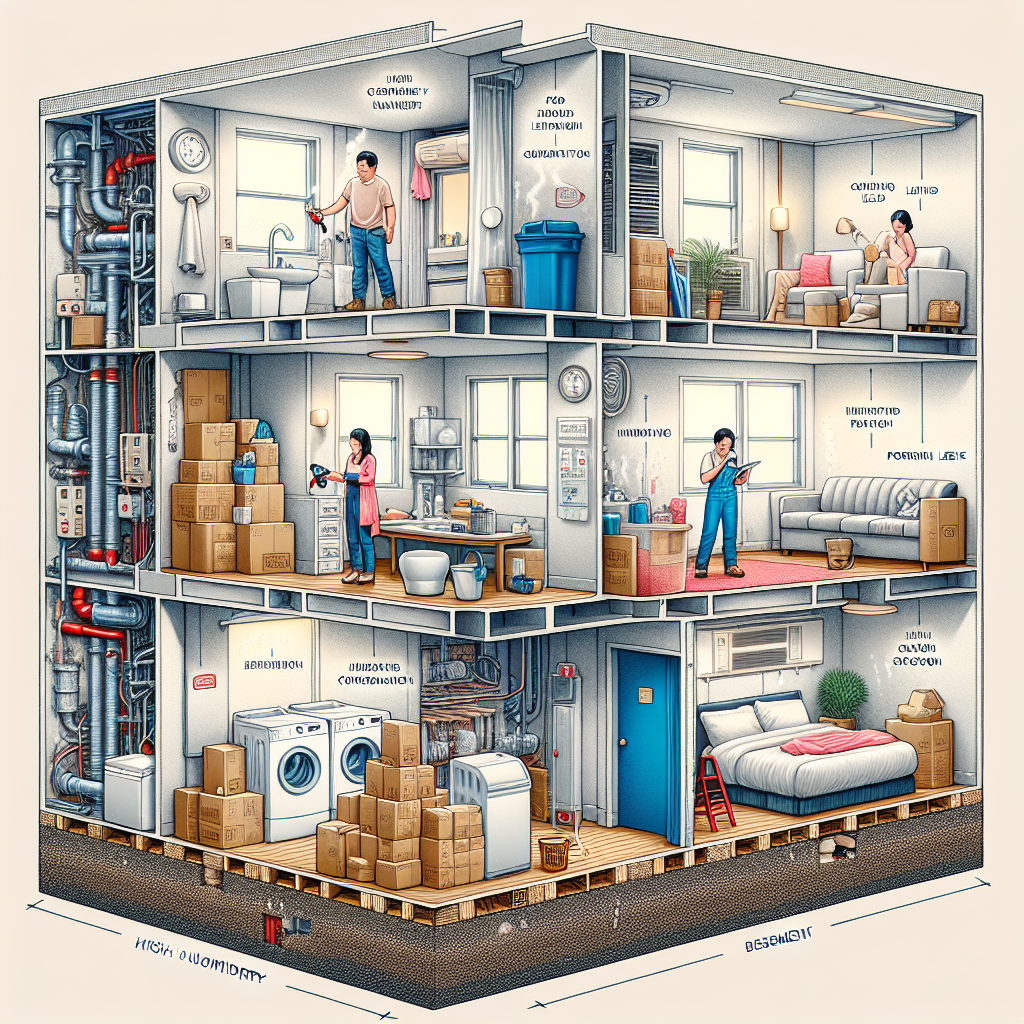
Effective Moisture Control and Ventilation Strategies
Managing moisture effectively is the cornerstone of mould prevention in strata buildings. Because moisture can enter or accumulate in so many ways—through leaks, condensation, or humidity—strata managers and residents need a mix of proactive and responsive strategies that keep the indoor environment dry and well-ventilated all year round.
One of the most effective steps is ensuring proper ventilation throughout the property. Bathrooms, kitchens, and laundries should have exhaust fans that vent directly outside rather than recirculating air. Installing timers or humidity sensors on these fans encourages consistent use and prevents moisture build-up. In common areas and basements, mechanical ventilation systems can help improve airflow where natural ventilation is limited. Even opening windows regularly, when weather permits, helps balance humidity levels and reduce stale air.
Controlling indoor humidity is equally important. Dehumidifiers can be useful in damp-prone areas, especially in coastal or tropical regions where ambient moisture levels are high. Keeping indoor humidity below 60 percent significantly reduces the likelihood of mould growth. Air conditioning units should be maintained and serviced regularly to prevent condensation issues within ducts or filters.
Addressing the sources of water intrusion quickly is another critical element. Routine inspections of roofs, gutters, plumbing, and windows help identify leaks before they escalate. Waterproof membranes around bathrooms and balconies should also be checked periodically for deterioration. In basements or garages, ensuring that ground drainage is functioning properly prevents seepage and pooling water.
Ultimately, effective moisture control relies on a combination of design, maintenance, and occupant awareness. When residents understand how daily habits—like drying laundry indoors or blocking vents—affect moisture levels, and when strata managers commit to regular system checks, the result is a healthier, mould-resistant building environment.
Proven Cleaning and Remediation Techniques for Strata Complexes
Effective mould remediation in strata settings combines careful preparation, targeted cleaning methods, and follow-up measures to ensure lasting results. By adopting a systematic approach, strata managers can tackle infestations of any size while safeguarding occupant health and minimizing the risk of recurrence.
Safety and Protective Measures
- Personal protective equipment: Ensure cleaners wear gloves, goggles, and P2/N95 masks to prevent inhalation of spores.
- Containment zones: Seal off affected areas with plastic sheeting and negative-pressure machines to stop spore spread.
- Ventilation: Run exhaust fans or portable air scrubbers fitted with HEPA filters to capture airborne particles.
- Waste disposal: Double-bag contaminated materials in heavy-duty plastic and label for safe removal.
Cleaning and Removal Techniques
- HEPA vacuuming: Begin by vacuuming loose spores from surfaces to reduce airborne concentration before wet cleaning.
- Detergent-based washing: Use a non-ammonia detergent solution for non-porous surfaces, rinsing thoroughly to remove residues.
- Antimicrobial treatments: Apply EPA-registered mould inhibitors or fungicidal sprays to kill remaining spores and prevent regrowth.
- Replacement of damaged materials: Remove and replace heavily infested drywall, insulation, or ceiling tiles that cannot be fully restored.
Professional Remediation
If mould covers more than one square metre, or if contamination has infiltrated HVAC systems and cavity spaces, engaging certified remediation specialists is essential. Professionals bring specialised equipment—such as industrial-grade dehumidifiers, thermal imaging for hidden moisture, and advanced air quality testing—to ensure a thorough cleanup and compliance with safety standards.
Validation and Prevention
- Post-remediation testing: Conduct air and surface sampling to confirm spore counts are within acceptable limits.
- Moisture monitoring: Install humidity sensors in high-risk zones to detect and address dampness early.
- Regular inspections: Schedule quarterly walk-throughs focusing on known hotspots and plumbing junctions.
- Resident education: Provide clear guidelines on ventilation use, prompt leak reporting, and housekeeping practices.
Preventive Maintenance Plans for Long-Term Mould Prevention
Establishing a preventative maintenance plan helps strata managers avoid costly mould outbreaks and ensures building longevity. By integrating regular inspections, prompt repairs, and clear communication protocols, a comprehensive strategy keeps moisture levels under control and addresses potential issues before they escalate.
Scheduled Inspections
- Biannual roof and gutter checks to clear debris and repair damage.
- Quarterly plumbing reviews focusing on joints, seals, and visible leaks.
- Monthly assessment of high-risk areas such as bathrooms, laundries, and basements.
- Annual HVAC system servicing to clean ducts, replace filters, and verify drainage.
Routine Maintenance Tasks
- Cleaning and testing exhaust fans in wet areas to ensure proper airflow.
- Clearing drainage outlets and downpipes around balconies and external walls.
- Applying waterproof sealants to window frames and wall junctions as needed.
- Inspecting insulation and vapour barriers within roof cavities and crawl spaces.
Resident Engagement and Reporting
- Distributing guidelines on moisture management and housekeeping best practices.
- Providing an online reporting system for leaks, damp spots, or ventilation faults.
- Scheduling periodic reminders via email or noticeboards to encourage prompt reporting.
- Offering resident workshops on identifying early signs of dampness or mould.
Consistent review of maintenance records and feedback from occupants enables strata managers to fine-tune procedures, allocate resources effectively, and maintain a healthy living environment. A long-term commitment to preventive care ultimately safeguards property value and resident wellbeing.
Data Tracking and Review
- Maintaining a digital log of inspection findings, repair dates, and remediation actions.
- Analyzing trends in moisture readings and mould occurrences over time to adjust schedules.
- Coordinating with building engineers to update maintenance software and workflows.
Leveraging technology such as humidity sensors and digital dashboards helps strata managers detect moisture spikes. Allocating budget for ongoing maintenance and training supports consistent implementation and scheduling of the prevention plan throughout the year, including review.
Strata Management Responsibilities and Professional Remediation Support
Strata managers play a pivotal role in coordinating mould prevention and remediation across a complex. Their responsibilities span from proactive maintenance planning to liaising with owners and contractors, ensuring that response efforts are both swift and compliant with relevant regulations. Clear communication, thorough documentation, and decisive action form the backbone of an effective mould management strategy.
Key Duties of Strata Managers
- Regular Inspections: Schedule and conduct walk-throughs of high-risk areas (bathrooms, basements, roof voids), documenting signs of dampness, leaks or mould growth.
- Maintenance Scheduling: Integrate roof, gutter, plumbing and ventilation checks into the annual maintenance calendar to catch issues before they escalate.
- Budget Oversight: Allocate funds for preventive measures—such as dehumidifiers and sealant applications—and ensure swift approval for emergency repairs.
- Owner Communication: Issue timely notices about inspection findings, share guidance on occupant responsibilities, and maintain an accessible reporting system for leaks or mould sightings.
- Regulatory Compliance: Stay informed on building codes, health regulations and insurance requirements to guide remediation efforts and protect the strata corporation legally.
Engaging Professional Remediation Support
When mould covers extensive areas, affects structural elements or poses health risks, it’s time to bring in certified specialists. Professional remediation services offer advanced diagnostic tools, safe containment procedures and expertise in restoring indoor air quality.
- Certification and Experience: Verify that contractors hold industry-recognised credentials (e.g., IICRC, RICS, or local licensing) and have a track record in strata environments.
- Comprehensive Scope: Obtain detailed proposals outlining inspection methods, containment protocols, cleaning techniques and post-remediation validation steps.
- Insurance and Liability: Confirm providers carry appropriate public liability and professional indemnity coverage to safeguard the strata corporation against unforeseen damages.
- Transparent Reporting: Require clear progress updates, moisture readings and clearance testing results to ensure accountability and peace of mind for unit owners.
Fostering Long-Term Collaboration
Establishing a partnership between strata managers, owners and remediation specialists creates a robust defence against future infestations. Regular review meetings, shared maintenance logs and ongoing training sessions empower everyone involved to recognise early warning signs and act decisively, preserving both building integrity and the health of occupants.